RASA SHASTRA · TRADITION & HISTORY
Parad Vidya & Parad Sanskar
An introduction to Parad (mercury) in Indian alchemical and spiritual traditions, including the historical concept of Parad Sanskar.

Explore this guide
- What Is Parad Vidya?
- Parad in Indian Intellectual History
- The Symbolism of Shiva and Mercury
- What Is a Sanskara?
- The First Group of Named Sanskaras
- Additional Sanskara Names and Interpretations
- Historical Discussion of Impurities
- Mercury: Modern Chemical and Health Context
- Parad Objects, Labels and Materials
- Manuscripts and Translation Questions
- Teaching and Learning Boundaries
- Claims of Transmutation and Immortality
- Ritual, Ethics and Responsible Representation
- Nikhil Vatika Spiritual Research Centre
- Reading the Historical Nikhil Vatika Parad Page
What Is Parad Vidya?
Parad is the Sanskrit and Hindi term commonly used for mercury in the context of Indian alchemical and Rasashastra traditions. Parad Vidya refers broadly to the study of ideas, vocabulary, ritual associations and historical practices surrounding this material. Mercury is a real chemical element with distinctive physical properties; it is also represented in classical and later devotional literature through symbols of transformation and power. Those two meanings should never be confused. Cultural reverence for a material does not make it safe to touch, heat, inhale or ingest. Nikhil Vatika's older Parad page combined historical categories, descriptions of sanskaras, product claims and training advertisements. This revised introduction preserves its broad subject map and explains it in a safer, more scholarly form. It does not teach the processing of mercury or imply that ritual purification neutralizes toxic exposure. The intention is to help readers understand the tradition's terminology and place in cultural history, not to encourage experimentation.
- Parad is mercury, a substance that requires careful handling and exposure precautions.
- Traditional descriptions and modern chemical facts must be identified separately.
- Historical documentation does not establish therapeutic safety or supernatural effects.
Parad in Indian Intellectual History
Rasashastra is a complex historical field within South Asian alchemical and medical literature. Its texts refer to metals, minerals, plants, apparatus, transformations and a wide range of philosophical aims. The corpus is not uniform: methods, classifications and interpretations differ by period and school. Some works are primarily technical in tone, while others incorporate religious narrative and symbolic language. Studying these sources requires attention to vocabulary, manuscript transmission, historical context and the difference between what an author claimed and what can be independently demonstrated. The older Nikhil Vatika site uses terms such as rasa, rasendra, suta, parad and mishraka in a discussion of mercury types. Such categories should be read as historical vocabulary, not a modern chemical classification or a claim that several chemically different kinds of elemental mercury exist. Contemporary chemistry identifies mercury by its atomic structure and physical properties. A thoughtful reader can appreciate the richness of a classical taxonomy without assigning it unwarranted laboratory authority.
- Compare manuscript descriptions with reputable historical scholarship and chemistry references.
- Note when a term is devotional, metaphorical, practical or classificatory.
- Avoid literal claims of immortality or guaranteed transformation of base metals.
The Symbolism of Shiva and Mercury
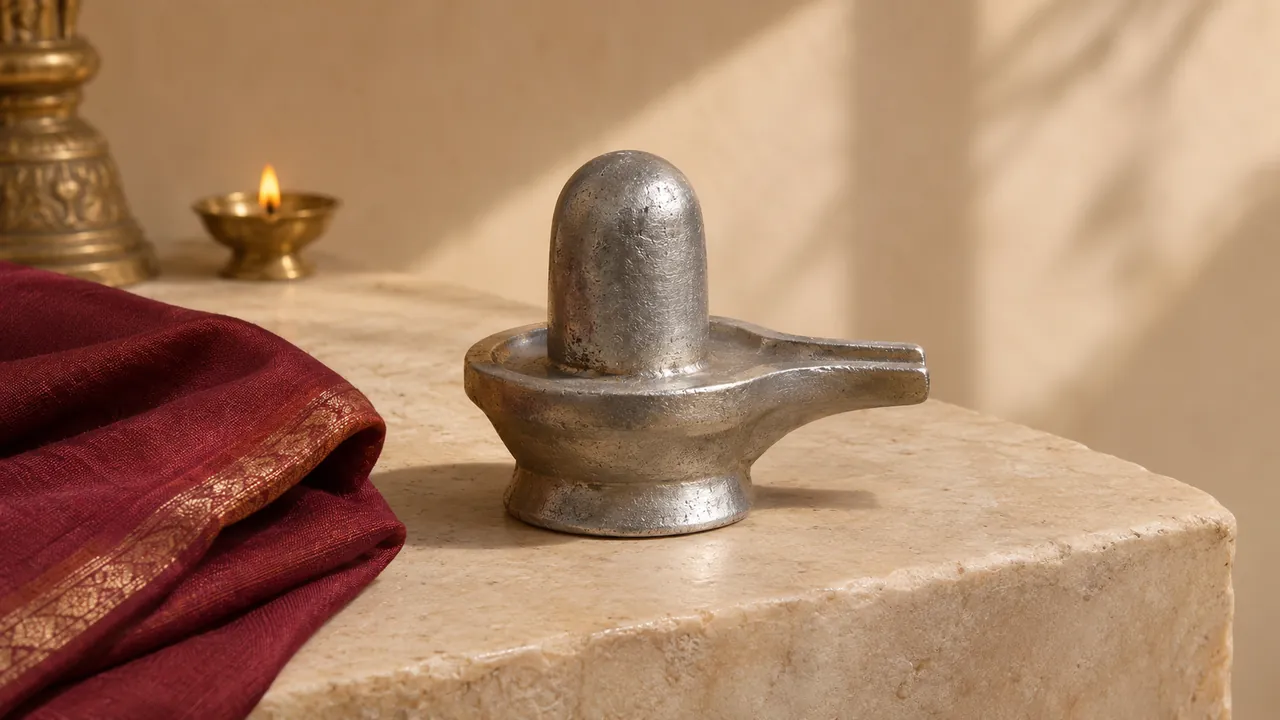
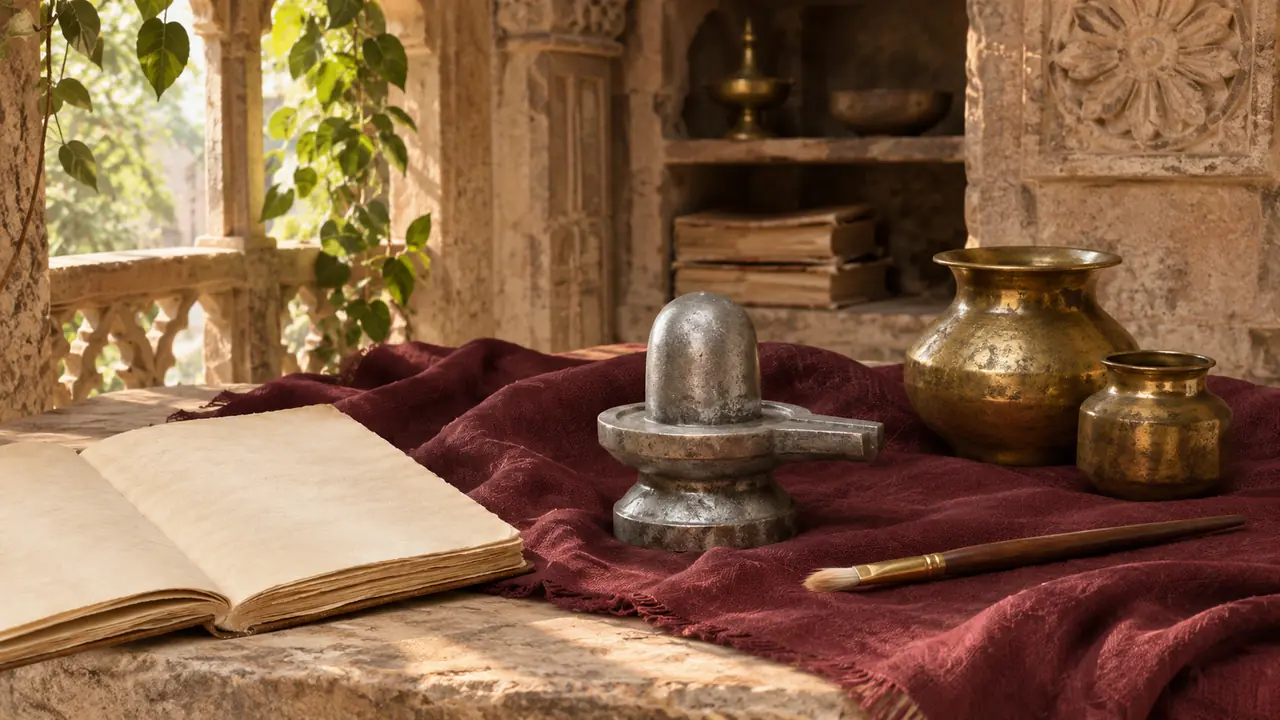
Parad is associated in some traditions with Shiva, asceticism, transformation and worship. Objects described as Parad Shivling, gutika or mala may carry ritual meaning for communities who use them. The symbolic significance of a religious object does not depend on demonstrable medicinal efficacy. A respectful account can describe the practice of worship and the language of devotion while allowing readers to form their own religious interpretations. Because objects sold under the word Parad may contain different materials or alloys, their composition should not be assumed from appearance. Handling advice, environmental concerns and possible exposure should be addressed honestly. A silver-coloured article is not necessarily pure mercury, nor does a label guarantee a particular metallurgical composition. Retail descriptions should avoid promising miraculous outcomes. Devotional value, material identity and product safety are three separate questions that deserve separate answers.
- Respect the religious context of Shiva-associated imagery and sacred objects.
- Ask sellers for accurate material descriptions where composition matters.
- Keep potentially hazardous objects away from children and food preparation areas.
What Is a Sanskara?
In many Indian traditions, sanskara denotes refinement, preparation, transformation or a formative rite; its meaning depends on context. In Rasashastra literature, Parad Sanskar refers to named stages in a historical approach to working with mercury. The old Nikhil Vatika material lists eighteen names and describes a progression of processing. This educational page retains those names for cultural and textual study but intentionally omits quantities, heating conditions, reagents and step-by-step instructions. Such procedures can release hazardous mercury vapour and may involve other toxic substances. Historical authors sometimes interpreted processing as a route to purity, potency or spiritual attainment. Contemporary toxicology does not support assuming that a traditional sequence renders elemental mercury safe for consumption. A document may provide information about historical aims without endorsing those aims as clinically valid. Readers who wish to examine the texts should do so through scholarship and appropriate institutions, not unsupervised experimentation.
- Sanskara names are given here for historical literacy, not as instructions.
- Heating mercury and mixing unknown mineral substances can cause serious poisoning.
- Traditional purification claims require independent safety evidence before any modern use.
The First Group of Named Sanskaras
The older page names swedana, mardana, murchana, utthapana, patana, rodhana, niyamana and dipana as the first eight stages. Their meanings are described in different ways in classical sources, and their exact orthography varies in transliteration. At a high level they are associated with ideas of washing, agitation, transformation, separation, regulation and preparation. This listing is preserved because it is central to the site's historical account, not because it should be attempted by readers. A safe educational presentation focuses on language and historical interpretation. For example, a name may indicate the aspiration to regulate a volatile substance or alter its perceived properties, but it should not be converted into a household recipe. Any actual physical investigation belongs in appropriately equipped laboratories operating under legal environmental and occupational safety requirements. This is particularly important because mercury can contaminate surfaces and environments long after an unsafe experiment ends.
- Swedana and mardana appear as named historical stages in the archived sequence.
- Murchana, utthapana and patana belong to the same textual account.
- Rodhana, niyamana and dipana complete the commonly cited first eight names.
Additional Sanskara Names and Interpretations
The old archive continues with names such as gaganagrasa, carana, garbhadruti, bahyadruti, jarana, ranjana, sarana, kramana, vedhana and bhakshana. They appear in narratives about transformation, incorporation of substances and goals of alchemy. The page historically connected them with dehasiddhi and lohasiddhi, concepts that can be understood as aspirations toward bodily perfection or transformation of metals. Those aspirations belong to the philosophical and alchemical history of the tradition; they are not evidence that immortality or transmutation has been achieved. Naming a practice is different from teaching it. We intentionally do not give materials lists, reaction steps, apparatus operating instructions or exposure-inducing procedures. Readers interested in manuscripts can compare transliteration and categorization between editions, while remaining cautious about sweeping statements such as the existence of exactly one universally accepted list. The historical text is worth studying for its conceptual world, but a modern educational site must not present hazardous work as a home hobby.
- Classical classifications vary across texts and later teaching lineages.
- The terms dehasiddhi and lohasiddhi represent historical goals, not verified outcomes.
- Do not attempt mercury processing outside appropriate professional safety systems.
Historical Discussion of Impurities
The older Nikhil Vatika Parad page lists categories of dosha or supposed impurity and refers to metals and other substances. This offers insight into how traditional authors attempted to account for behaviour and variability in raw materials. Contemporary analytical chemistry approaches composition differently, using validated measurements rather than religious or symbolic classifications. Metals such as lead and arsenic are themselves toxic, and their presence can substantially worsen exposure hazards. A modern product description should avoid implying that an unverified ancient process has removed every possible contaminant. Claims of purity depend on defined methods, tests and standards appropriate to the material and intended use. For decorative or ritual articles, retailers should give truthful material information. For any ingestible or medicinal product, legal classification and quality controls are more demanding. Neither a smooth appearance nor a devotional label establishes safety.
- Traditional impurity terms are not equivalent to a contemporary certified laboratory report.
- Heavy metals and unknown mixtures require appropriate safety evaluation.
- Purity should never be inferred from symbolic certification or appearance alone.

Mercury: Modern Chemical and Health Context
Elemental mercury is a silvery liquid metal at ordinary room temperatures and is hazardous because vapour inhalation can damage health. Certain mercury compounds can present additional serious risks through other exposure routes. Spills may contaminate indoor environments and improper disposal can harm waterways and wildlife. It is unsafe to handle a spill with a household vacuum, to heat mercury or to store it near food or children. Specific exposure situations should be addressed using official safety guidance and professional assistance. The scientific description of mercury does not deny that historical traditions attached sacred meaning to the material. It clarifies a separate question: what happens when a person or an environment is exposed? Mercury toxicity is not cancelled by ritual intention. Readers should avoid any claim that bathing in mercury-associated water, wearing a pill or swallowing a prepared mixture has been proved to treat disease. Such claims were present in the earlier site archive and are intentionally not endorsed here.
- Never ingest mercury or mercury-containing preparations based on traditional claims.
- Do not heat mercury or attempt home purification or chemical experimentation.
- Seek professional exposure advice promptly if a spill or poisoning is suspected.
Parad Objects, Labels and Materials
Nikhil Vatika has historically discussed Parad Shivling, gutika, rosaries, idols and related objects. These names represent product categories that may have religious, aesthetic or collectible significance. It is essential, however, to distinguish a product name from its verified material composition. A solid sphere advertised using Parad terminology is not automatically pure elemental mercury, which is liquid at ordinary conditions. Claims about composition should be supported by transparent and appropriate information rather than mythology alone. When displaying related WooCommerce goods on this page, each listing should provide a clear photograph, description, price and any relevant warnings or restrictions. A religious product is not inherently a medical device, medicine or protective instrument. Consumers should not be led to believe that a purchase guarantees wealth, health, spiritual attainment or protection from illness. Respectful marketing can explain context, craftsmanship, ritual associations and care instructions without making unsupported promises.
- Read the product's actual material and care information before ordering.
- Keep product claims proportional to what is reliably known.
- Separate ritual use from health claims and from scientifically tested performance.
Manuscripts and Translation Questions
Historical accounts of Parad Vidya are transmitted through Sanskrit and regional-language texts, later translations and oral teaching. Transliteration varies, and the same term may be explained differently by commentators. A reliable educational study should identify which text or edition is being discussed, note uncertainties and resist treating a single website summary as the whole tradition. The historical development of terms is often as interesting as the material procedure they name. Manuscript research also involves provenance, dating, scribal variation and the limits of modern translations. A modern English passage may use technical words that evoke chemistry but do not map perfectly to contemporary disciplines. Readers can benefit from side-by-side terminology and historical notes while leaving physical replication to safe, regulated contexts. Nikhil Vatika's research interests can support documentation of this knowledge without implying that every old formulation has been experimentally validated.
- Identify a text, edition or author whenever possible in a substantive claim.
- Note variant spellings instead of assuming a single universal translation.
- Distinguish literary interpretation from replicated laboratory evidence.
Teaching and Learning Boundaries
The previous site described learning materials, kits and instruction in Parad Sanskar. The language of a historical advertisement is not necessarily a suitable description of a current course. Today's visitors need to know whether a course is theoretical, devotional, archival or practical; whether it includes hazardous substances; what prerequisites exist; and which legal and safety measures apply. Nikhil Vatika should publish those details in each current course listing rather than assume that an old announcement is still active. This educational page does not provide practical instructions for processing toxic metals. A responsible training programme involving hazardous substances would need appropriately equipped facilities, qualified personnel, exposure controls, environmental management and applicable permissions. For most readers, the safest study path is historical research, reading, terminology and analysis of artefacts. No student should assume that a home kit can make mercury experimentation safe.
- Confirm the current scope and prerequisites of any listed course before enrolling.
- Avoid self-directed chemical experiments or unverified household kits.
- Prefer textual, historical and museum-based learning for general audiences.
Claims of Transmutation and Immortality
Alchemy in many cultures includes aspirations toward transforming metals, achieving extraordinary vitality or discovering spiritual perfection. Indian Rasashastra texts may frame these aims through a mixture of material and metaphysical vocabulary. Such passages should be studied as evidence of historical imagination and philosophical inquiry. They should not be rewritten as established scientific outcomes or literal promises to consumers. Mercury handling introduces real risks regardless of the spiritual language surrounding it. When an old source claims that a procedure makes a base metal into gold, the appropriate modern response is to ask what evidence exists, what was actually observed and whether the result can be independently reproduced using scientific methods. Modern chemistry does not support routine chemical transmutation of one element into another. Similarly, no mercury preparation has been established as a route to physical immortality. Clear boundaries help honour history without misleading learners.
- Read supernatural claims as claims, not verified facts.
- Ask for transparent methods and independent replication before accepting scientific assertions.
- Never attempt hazardous demonstrations to prove a historical claim at home.
Ritual, Ethics and Responsible Representation
An object can possess devotional meaning even when it has no demonstrated therapeutic effect. This distinction allows Nikhil Vatika to discuss sacred imagery respectfully while being honest about material safety. Ethics also require avoiding exaggerated fear-based sales messages: customers should not be told that a purchase is necessary to escape harm or that not owning a particular object causes misfortune. Educational descriptions should invite informed choice and acknowledge uncertainty. In product photography and display, ritual objects can be presented through craftsmanship, iconography and their traditional setting. When a material is hazardous, accurate handling and disposal information must take precedence over decorative expectations. Professionals should evaluate whether a particular product is suitable for ordinary household use. The aim is a trusted learning and commerce environment that separates belief, history, evidence and actual goods sold.
- Present devotional tradition with dignity and avoid manipulative promises.
- Publish accurate descriptions and relevant safety notices where required.
- Keep customer information, marketing and product claims consistent.
Nikhil Vatika Spiritual Research Centre
The former So Ham Research Centre has been integrated into Nikhil Vatika as the Nikhil Vatika Spiritual Research Centre. The organisation's broader interests include traditional spiritual knowledge, Sri Vidya, Tantra, historical Rasashastra and the documentation of texts and cultural practices. This Parad page is one part of that educational work. A research identity should be expressed through transparent questions, sources and limitations, not through unverified claims of scientific certainty. Different kinds of inquiry have different standards. Philological analysis can clarify what a passage says. Art history can explain a ritual object. Toxicology can identify a health risk. A controlled laboratory experiment may test a material claim. No single kind of evidence establishes every conclusion. A responsible public research presentation identifies the form of inquiry involved and refrains from conflating an archive with clinical or chemical validation.
- Document original sources and the historical context of the material studied.
- Acknowledge distinctions between ritual claims, experiments and established findings.
- Use qualified experts for safety, chemical analysis and legal questions.
Reading the Historical Nikhil Vatika Parad Page
The archive at nikhilvatika.org/parad.html contains the sequence of named sanskaras, terminology for mercury types, older discussions of impurities, references to products and descriptions of study materials. These are part of the organisation's history, but not all of its claims meet modern standards of evidence or safety. This revised page keeps the subject map while deliberately omitting instructions for processing mercury and statements that could encourage ingestion of poisonous substances. Visitors who want practical information about a currently sold product should use its up-to-date WooCommerce listing and the applicable store policies. Readers who want textual or cultural information can explore the related Knowledge Pages and published educational offerings. The old archive should be understood as historical source material rather than an operating manual. The distinction is essential to preserving knowledge without exposing readers to preventable hazards.
- Historical reference: https://nikhilvatika.org/parad.html
- This page documents heritage and does not authorize mercury-handling procedures.
- Current products, availability, eligibility and payment terms appear in the store.
Explore Parad Collection
-
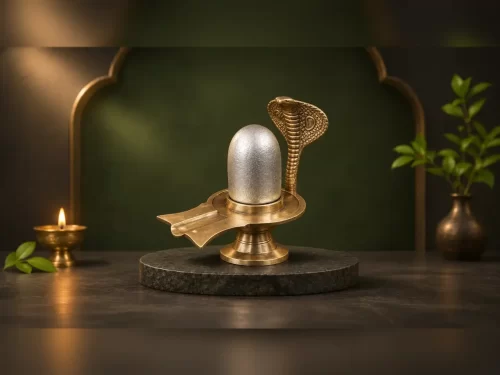
Brahmandiya Paradeshwar Parad Shivling
₹37,500Brahmandiya Paradeshwar Parad Shivling Brahmandiya Paradeshwar Parad Shivling is presented…
-
Navgrah Parad Shivling
₹30,000Navgrah Parad Shivling Navgrah Parad Shivling combines Shiva worship with…
-
Parad Shivling
₹20,500Parad Shivling Parad Shivling brings the sacred form of Lord…
-
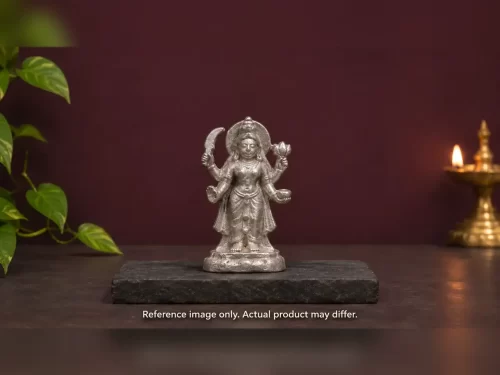
Parad Tara Idol
Parad Tara Idol A special-order Parad idol of Tara for…
Nikhil Vatika · Haridwar, Uttarakhand, India